

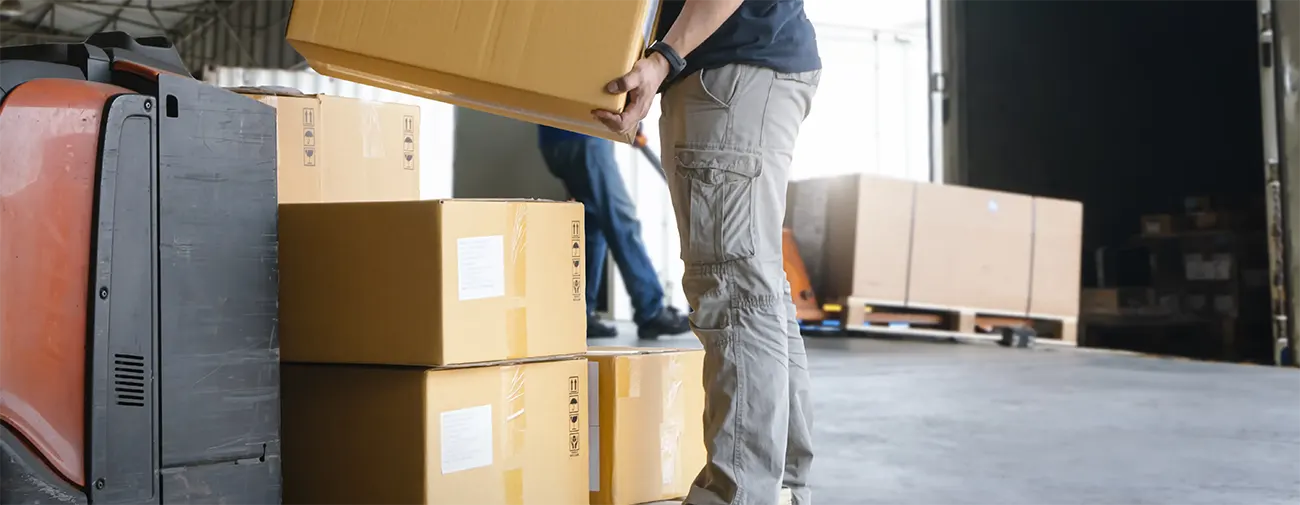
Relocating a warehouse is a complex task that requires meticulous planning and execution. Whether you’re upsizing, downsizing, or simply moving to a more strategic location, a seamless transition is key to minimising downtime and disruption. Here are some essential planning tips to ensure a successful warehouse move, especially relevant to businesses in Australia.
- Develop a Comprehensive Plan
The first step in any warehouse move is to develop a comprehensive plan. This should include a detailed timeline, budget estimates, and a list of tasks that need to be completed before, during, and after the move. Consider factors such as lease agreements, permits, and the legal requirements specific to Australia, which might affect your timeline.
- Evaluate and Optimise Inventory
Before you move, evaluate your current inventory to determine what needs to be moved and what can be liquidated or stored. This is an excellent time to get rid of obsolete stock or excess items that could add unnecessary costs and complexity to your move. Organising and optimising your inventory can streamline the moving process and reduce costs.
- Hire Professional Movers
For a move as significant as a warehouse relocation, hiring professional movers is crucial. Look for experts in the field who have experience with industrial equipment and are familiar with the logistics challenges specific to the Australian market. For instance, when dealing with heavy equipment and delicate machinery, you might consider engaging specialised services from machinery movers in Melbourne. Their expertise in safely transporting large and sensitive equipment can be invaluable.
- Coordinate with Your Team
Communication is key to a successful warehouse move. Keep your team informed about the timeline and any changes to the plan. Assign roles and responsibilities to ensure that everyone knows their tasks and can prepare accordingly. Having a cohesive team will facilitate smoother operations and address any issues as they arise.
- Plan for Downtime
Even with the most meticulous planning, some downtime is inevitable. Prepare for this by communicating with your suppliers and customers about any potential delays. It’s also wise to have a contingency plan in place should any unexpected issues occur during the transition.
- Test and Settle
Once you’ve moved, conduct a thorough inspection of the new warehouse setup. Test all systems, equipment, and processes to ensure everything is functioning as expected. This includes checking inventory management systems and making sure all safety protocols are in place.
In conclusion, moving a warehouse involves numerous logistics and operational considerations. By developing a comprehensive plan, optimising your inventory, hiring professionals like machinery movers in Melbourne, and coordinating effectively with your team, you can ensure a smooth and successful transition. Remember, careful planning and communication are critical to minimising disruptions and maintaining efficiency throughout the process.