

Roof repairs and upgrades are an essential part of maintaining industrial, commercial, and residential buildings. However, these projects can introduce potential hazards to employees, contractors, and even customers. By implementing robust safety measures, you can minimise risks and create a secure environment during such operations.
This guide outlines practical steps to maintain workplace safety, with relevance to projects in Australia, particularly for those dealing with industrial metal roofing Perth and other similar installations.
Why Workplace Safety During Roof Repairs Matters
Roof repairs often involve heavy equipment, high places, and tasks that increase the likelihood of falls or accidents. Ensuring safety not only protects those involved but also avoids unnecessary delays, work stoppages, or additional costs stemming from injuries or fines for non-compliance with Australian safety regulations.
Practical Safety Measures
Conduct a Risk Assessment
Before commencing any roof work, perform a detailed assessment of potential hazards specific to your workplace. This evaluation will help identify areas requiring extra attention, such as dealing with fragile roofing materials or ensuring equipment stability.
Use Personal Protective Equipment
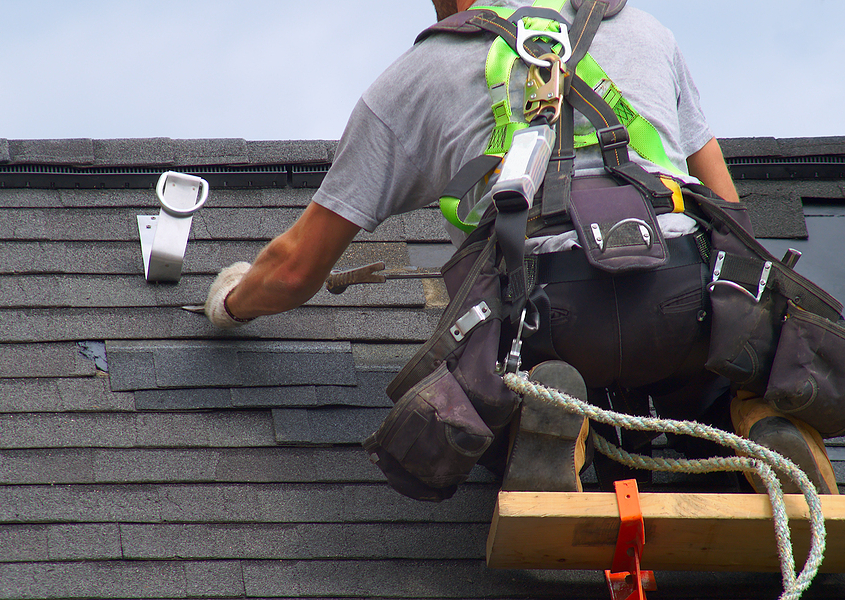
Workers must have access to proper protective gear, such as helmets, gloves, and high-visibility vests, as required by Australian workplace safety standards. Additionally, fall protection systems, such as harnesses or safety nets, are vital when repairing or upgrading roofs.
Install Edge Protection
Securing the perimeter with edge protection is crucial for preventing falls. This includes rails or barriers around elevated areas to ensure safe access for workers.
Safe Access Points
Creating clearly marked and safe access points to the roof ensures efficient movement of workers and materials, without placing anyone at risk. Use sturdy ladders, scaffolding, or temporary staircases meeting compliance guidelines in Australia.
Weather Precautions
Working in rainy, windy, or excessively hot conditions can increase the risk of slips, falls, or heat-related illnesses. Regularly monitor weather conditions, especially in areas prone to extreme weather, like Perth. Plan roofing activities accordingly to reduce these risks.
Regular Communication and Training
Ensure everyone on-site is fully aware of workplace safety standards and is trained on the equipment being used. Periodic safety briefings can provide updates on project-specific hazards and reminders about best practices.
Compliance with Regulations
Australia has strict workplace safety laws, including those outlined by Safe Work Australia, which regulate roofing projects. All workplaces must comply with these laws to ensure the well-being of workers and avoid fines or legal ramifications.
Some important regulations to keep in mind include the standards for working at heights, the use of scaffolding, and hazardous materials management. For installations like industrial metal roofing Perth, it is crucial to ensure contractors are familiar with both state and national regulations.
Maintaining Long-Term Safety
Safety doesn’t end when the roof repair or upgrade is complete. Routine maintenance of both the roof and safety equipment is essential to mitigate risks in the future. Regular inspections can identify potential hazards before they escalate into larger issues.
Final Words
Ensuring workplace safety during roof repairs and upgrades is not just a regulatory requirement but also an ethical responsibility. With proper planning, regular safety checks, and adherence to Australian standards, you can create a secure and productive environment during such projects.
By adopting these practices, businesses in cities like Perth can confidently manage roofing projects, including those involving industrial metal roofing Perth, without compromising safety or efficiency.