

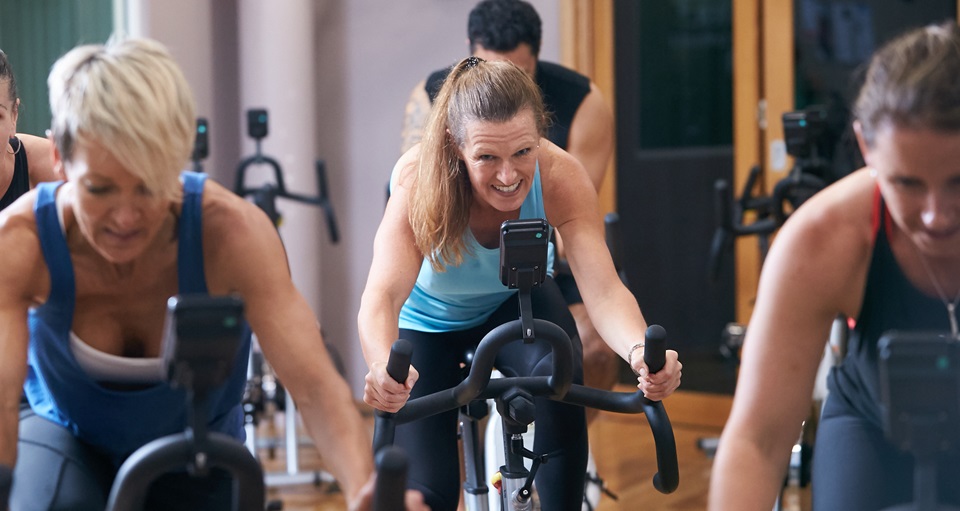
Exercise is widely recognised as one of the most effective tools for improving physical health, but its influence on mental well-being is just as significant. In Singapore’s fast-paced environment, stress and fatigue often take their toll, and people are seeking workouts that not only build fitness but also refresh the mind. Among these options, spinning classes in the RPM™ format stand out as a powerful solution. They combine music, group motivation and structured intensity to deliver not only calorie-burning results but also a profound sense of mental clarity and resilience.
At the same time, gyms like True Fitness have established themselves as trusted providers of RPM™, giving Singaporeans access to world-class instruction and supportive environments. The connection between RPM™ and mental well-being is increasingly supported by science, as well as by the experiences of riders who find both relief and empowerment on the bike.
The Psychological Power of Exercise
It is well established that physical activity boosts mood by triggering the release of endorphins, the body’s natural feel-good chemicals. These hormones reduce perceptions of pain, improve mood and create a sense of euphoria often referred to as the “runner’s high.” Indoor cycling, especially in the RPM™ format, delivers this benefit efficiently due to its interval structure and immersive nature.
When you pedal through sprints and climbs, your body enters a state of elevated exertion, which enhances endorphin release. The result is not just physical fatigue, but also mental relief and renewed energy that carries into daily life.
Stress Relief in a Fast-Paced City
In Singapore, long work hours and busy lifestyles contribute to high stress levels. Many riders turn to RPM™ as a way to disconnect from these pressures. The dimmed lights, energising music and focused environment create a space where participants can leave distractions behind.
The rhythmic nature of pedalling, combined with the music, provides a meditative quality. Riders often describe it as a form of moving meditation where worries fade, and the mind concentrates solely on the rhythm of the ride. This state of mindfulness has proven benefits in reducing stress and improving overall mental clarity.
Building Mental Resilience
Beyond short-term stress relief, RPM™ also builds mental resilience. Riders push through challenging climbs, endure intense sprints and overcome moments of fatigue. This process of facing and conquering physical challenges translates into mental strength. The ability to stay focused and persevere during class develops resilience that benefits other areas of life, such as work and personal challenges.
Regular participants often note that after a few weeks, they feel more capable of managing stress and maintaining a positive outlook, even during demanding situations.
The Role of Music in Mental Uplift
Music is not just entertainment in an RPM™ class; it is a carefully curated tool that shapes mood and energy. Fast beats encourage bursts of effort, while slower tracks provide space for recovery and reflection. The combination of rhythm and intensity creates an emotional journey that supports motivation and mood regulation.
Psychologists recognise that music can trigger dopamine release, which is linked to pleasure and motivation. By synchronising movement with music, RPM™ enhances these effects, making the workout feel less like exercise and more like an empowering experience.
The Social and Community Aspect
Group fitness has a unique ability to foster social connection, which is essential for mental well-being. In RPM™, participants share energy, encouragement and progress. Even though each rider controls their own resistance, the collective atmosphere builds a sense of unity.
For newcomers, this social element helps overcome anxiety about exercising. For regular riders, it creates friendships and accountability. Feeling part of a supportive community is a powerful antidote to loneliness and boosts motivation to stay consistent.
Confidence and Self-Esteem Gains
Mental well-being is closely tied to self-perception. Completing an RPM™ class, especially as intensity builds, instils a sense of accomplishment. For many beginners, the moment they finish their first class is a confidence milestone. Over time, as stamina and strength improve, riders report enhanced self-esteem.
This improved self-image carries over into daily life. The discipline of showing up to class, the progress seen on the bike and the compliments from instructors or peers all contribute to stronger self-belief.
Why Low-Impact Matters for the Mind
The low-impact nature of RPM™ also contributes to mental health. For individuals with past injuries or joint concerns, knowing that they can engage in a high-calorie, challenging workout without risking pain provides reassurance. This reduces anxiety associated with exercise and encourages long-term adherence. Feeling safe in a workout is key to maintaining a positive relationship with fitness.
The Long-Term Mental Benefits
When practised consistently, RPM™ provides cumulative mental benefits. Improved sleep quality, better concentration and reduced symptoms of anxiety and depression have all been reported by participants. This aligns with research showing that regular aerobic exercise is one of the most effective non-medical treatments for mood disorders.
For Singaporeans balancing demanding careers, family responsibilities and social commitments, RPM™ offers both a physical outlet and a mental reset. Its long-term impact lies not just in fitness gains but in enhanced resilience, clarity and emotional balance.
How Beginners Can Maximise Mental Benefits
For those new to RPM™, here are some tips to unlock its full mental impact:
-
Start with realistic goals: Focus on finishing a few tracks before aiming for the entire class.
-
Immerse yourself in the music: Let rhythm guide your cadence and effort.
-
Avoid comparison: Remember that resistance is self-controlled, so your journey is unique.
-
Be consistent: Attend at least two sessions weekly to experience cumulative benefits.
-
Reflect post-class: Take a few minutes after each session to acknowledge your progress and how you feel.
By applying these strategies, beginners can fully experience both the physical and mental benefits.
FAQs about RPM™ and Mental Well-Being
Q. Can RPM™ help reduce stress after work?
Yes. Many riders describe the class as a stress outlet, with the immersive environment helping them disconnect from work pressures and re-energise.
Q. Does RPM™ improve sleep quality?
Regular aerobic exercise such as RPM™ has been shown to improve sleep patterns. Participants often report deeper and more restful sleep after consistent attendance.
Q. Is group cycling intimidating for beginners?
It may feel daunting at first, but the supportive atmosphere and individual resistance control ensure that everyone can go at their own pace without judgment.
Q. How quickly can mental health benefits be felt?
Many riders notice an improved mood immediately after their first class. Long-term resilience and reduced stress typically develop within a few weeks of consistent sessions.
Q. Does RPM™ help with confidence outside the gym?
Yes. Completing classes and seeing progress builds self-esteem, which often translates into greater confidence at work and in personal life.